
The FY2027 proposed budget is about protecting the progress Margaret has made and making responsible decisions about what comes next.
2026 was a year of catching up. The City faced unexpected expenses and needs that, in my view, should have been addressed through better planning. We also had accumulated reserves. Those reserves give us an opportunity—and a responsibility—to put taxpayer dollars to work thoughtfully, while protecting the City’s financial stability.
2027 should be the year we build on that foundation with a clear plan.
A budget takes work, and adopting it should mean something.
Preparing a budget requires more than adding up department requests. It means estimating revenue, reviewing expenses, identifying obligations, anticipating equipment needs, and deciding what we can afford. It means choosing among worthwhile priorities because the same dollar cannot pay for everything.
That work produces a financial plan for the services residents depend on: police and fire protection, public works, roads, parks, utilities, and everyday City operations. When Council adopts that plan, it establishes priorities and spending limits that should guide decisions throughout the year.
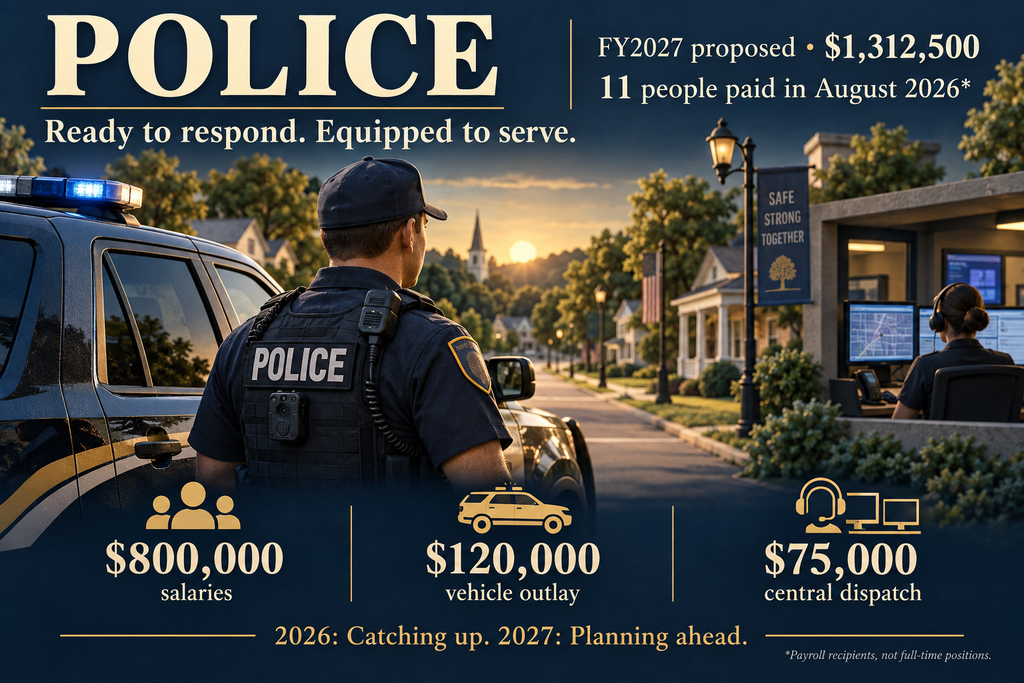
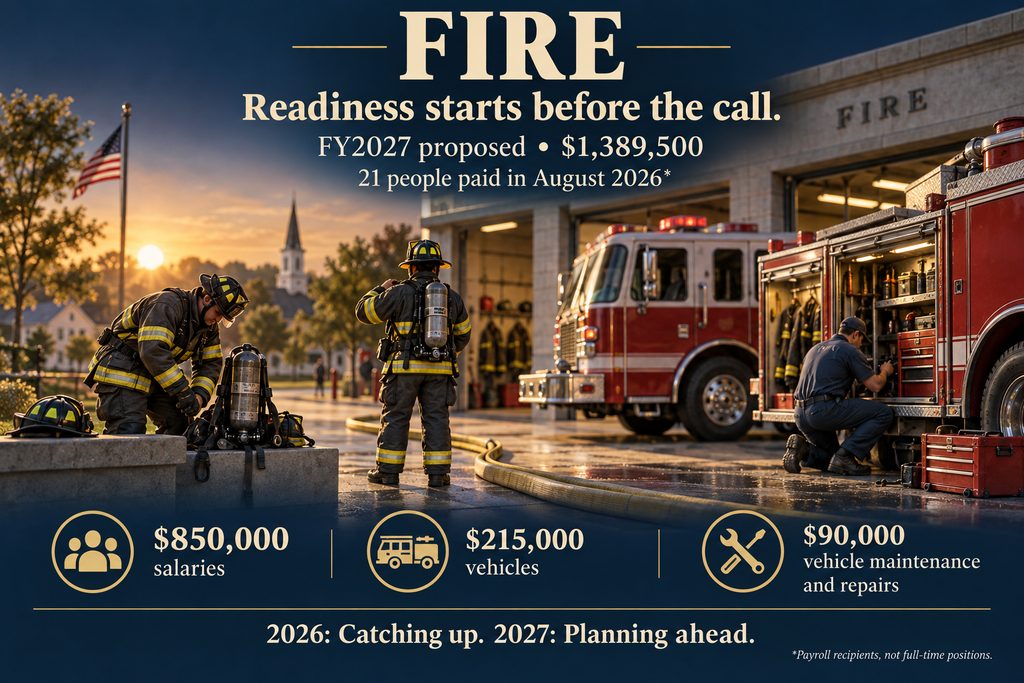
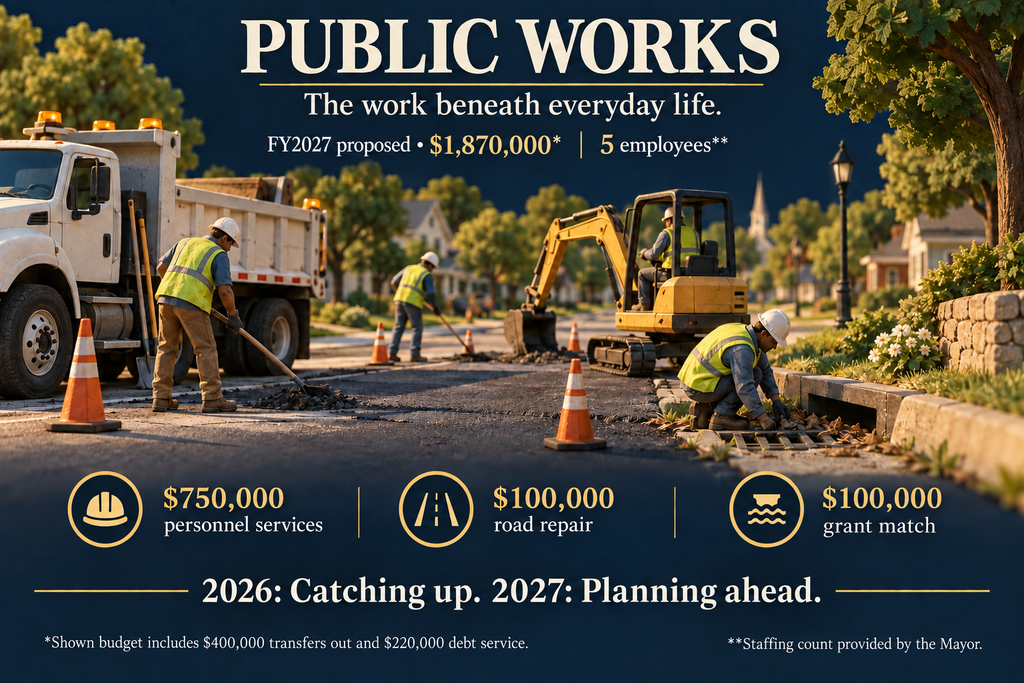
That responsibility applies to both additions and reductions. Police, fire, and public works should be evaluated against the services residents expect, the workload employees carry, and the equipment necessary to do the job. Any proposed reduction should explain how those services would change.
If we adopt a budget and then approve additional spending without explaining its effect on that plan, we weaken the work we have already done. Individual proposals may be worthwhile, but they must be considered alongside the commitments the City has already made.
Understanding operating expenses and capital investments is essential.
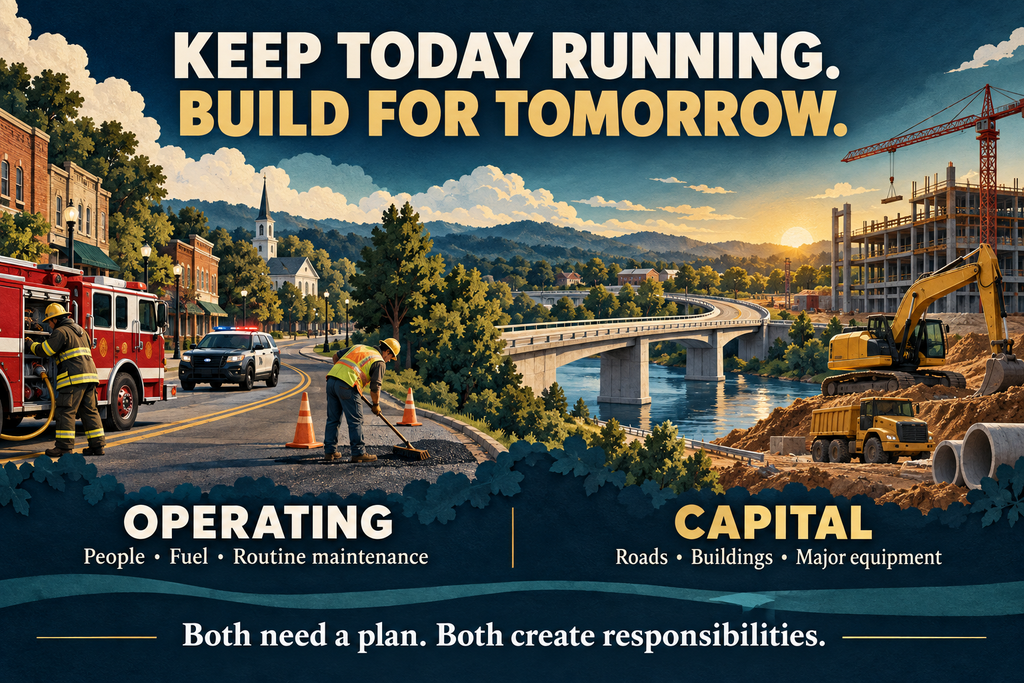
Operating expenses keep the City functioning: salaries, benefits, fuel, supplies, utilities, routine maintenance, and other ongoing services. The cost of an employee extends beyond an hourly wage. Employer payroll taxes, benefits, insurance, training, and the equipment needed to work safely also belong in the planning. Because operating costs continue year after year, they need dependable, recurring revenue.
Capital investments create or substantially improve assets that serve the City for years: roads, drainage systems, buildings, park facilities, and major equipment. These investments may be funded through accumulated savings, grants, dedicated revenues, or financing.
Both belong in the City’s financial plan. Major projects need a defined scope, a complete project budget, and a funding plan that accounts for obligations across fiscal years.
A one-time investment can also create ongoing costs. A new facility must be maintained and insured. Equipment requires fuel, repairs, and eventual replacement. Financing creates payments that future budgets must accommodate.
We must ask both, “Can we afford to buy or build this?” and “Can we afford to own, operate, and maintain it?”
Reducing a budget line does not eliminate the work behind it. Calls still require a response, roads still require maintenance, and equipment still wears out. Apparent savings can become slower service, deferred repairs, or greater costs later.
Capital decisions must account for the full cost and when it will be paid.
The Dillard Park Pavilion illustrates why that matters.
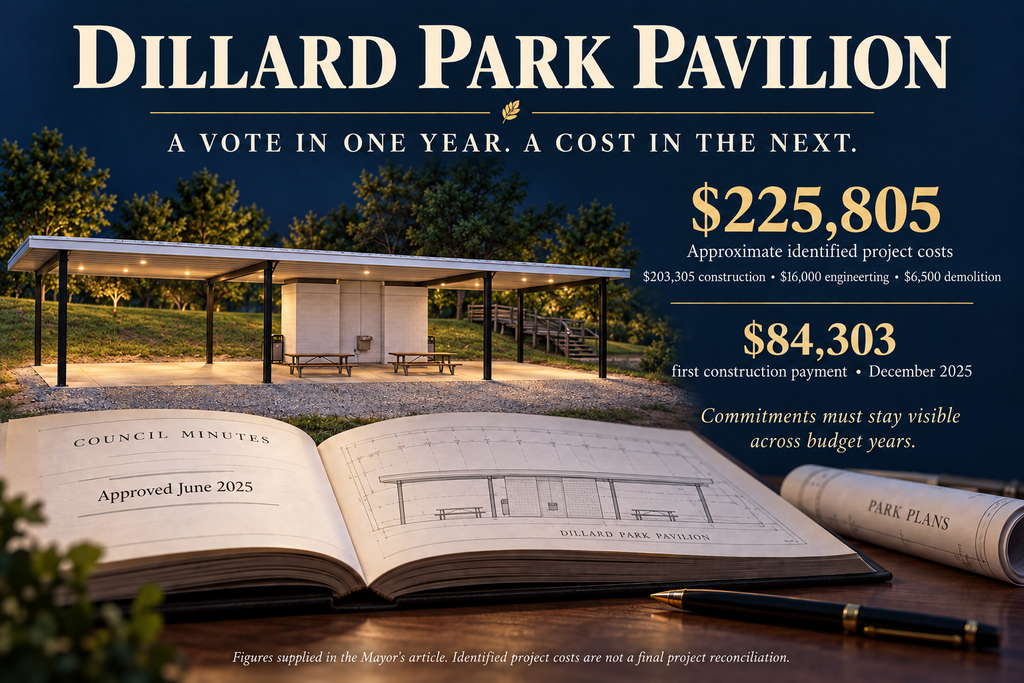
Council approved a $203,305 construction bid in June 2025. With approximately $16,000 in engineering and $6,500 in demolition, the identified project costs totaled approximately $225,805.
Although the project was approved in FY2025, the first construction payment of $84,303 was made in December 2025, during FY2026. A decision made in one budget year can create a substantial obligation in the next. That obligation must remain visible in our financial planning until it is paid.
I believe committing that amount of local money warranted a fuller discussion of funding alternatives and competing priorities. Our parks deserve investment. Council also owes residents an explanation of why a particular project, funding source, and timing represent the best use of available resources.
We should apply the same scrutiny to a new discretionary project that we apply to the resources needed to maintain existing services. Every new commitment affects what remains available for other priorities.
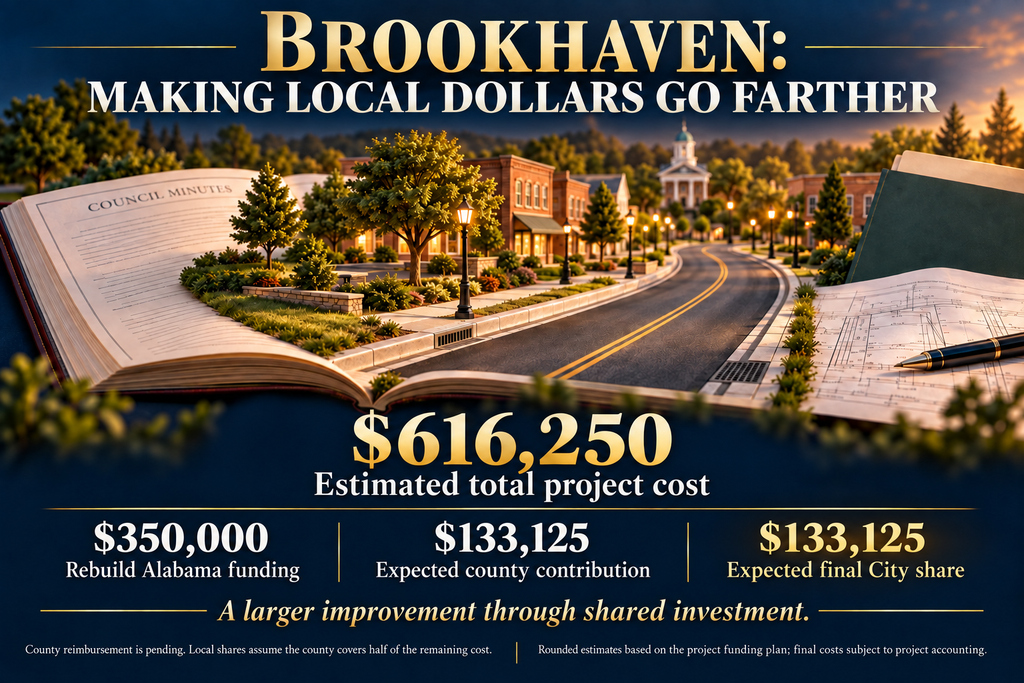
Brookhaven Drive illustrates the value of outside funding.
Based on an estimated total project cost of approximately $616,250, the $350,000 in Rebuild Alabama funding leaves approximately $266,250 to be funded locally. The anticipated county contribution would cover half of that remainder, bringing the City’s expected final share to approximately $133,125.
The county reimbursement is still pending. Once received as anticipated, it would mean an improvement costing more than $600,000 with a final City contribution of roughly $133,000. That partnership makes a larger transportation improvement possible than the same City contribution could accomplish alone.
Grants are not available for every project, and waiting is not always practical. But evaluating outside funding should be part of the decision before local funds are committed.
Council spending decisions should connect directly to the adopted budget.

Routine purchases within approved appropriations should follow the City’s purchasing policies and delegated authority. Council oversight should focus on whether spending follows the approved purpose, remains within available funding, and complies with applicable requirements.
When a proposal requires Council action—particularly a new project, an unbudgeted expense, or a significant change in scope—Council and the public should receive a clear explanation of:
- What is being approved and its total expected cost.
- Which fund and budget account will pay for it.
- How much remains available after existing commitments.
- Whether a budget amendment or transfer is needed.
- Whether the expense creates future operating costs or debt payments.
- What alternatives and outside funding were considered.
- How the decision affects reserves and other approved priorities.
A bank balance alone does not answer those questions. Some cash may be restricted, committed to unpaid obligations, or needed to sustain operations.
Likewise, tracking an expense in a “Council Discretionary” or capital account does not establish that funding is available or explain its effect on the City’s financial plan.
The FY2026 budget was adopted in November 2025, and individual spending proposals continued to come before Council afterward. Needs change, and responsible budgets must allow for that. But each additional commitment should be evaluated against the plan already adopted.
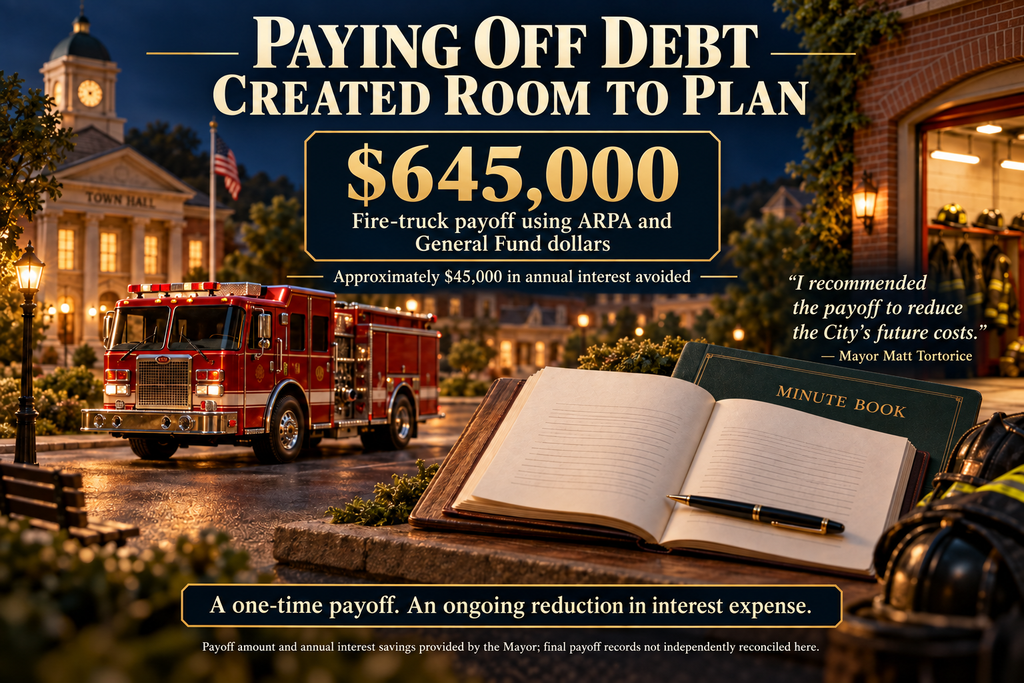
Going forward, that connection should be explicit and consistent. When a proposal changes the budget, the necessary funding adjustment should accompany the spending decision.
The same transparency should apply to reductions. A proposed cut should identify the expected savings, the responsibilities that remain, and any effect on staffing, equipment, maintenance, or service availability. Departments should have an opportunity to explain those consequences before a decision is made.
Budget authority carries responsibility for the results.
The process should remain focused on public needs, with a consistent standard applied to every department. If Council proposes reducing police, fire, or public works funding, residents deserve to know the amount, the reason, and the expected effect on service.
Those tradeoffs should be discussed openly before a vote. We should not adopt service expectations with one vote and remove the means to meet them with another.
The budget should not become an indirect way to reduce services without openly proposing and explaining those changes. Residents deserve to understand what a decision will mean in practice, beyond the number on a worksheet.
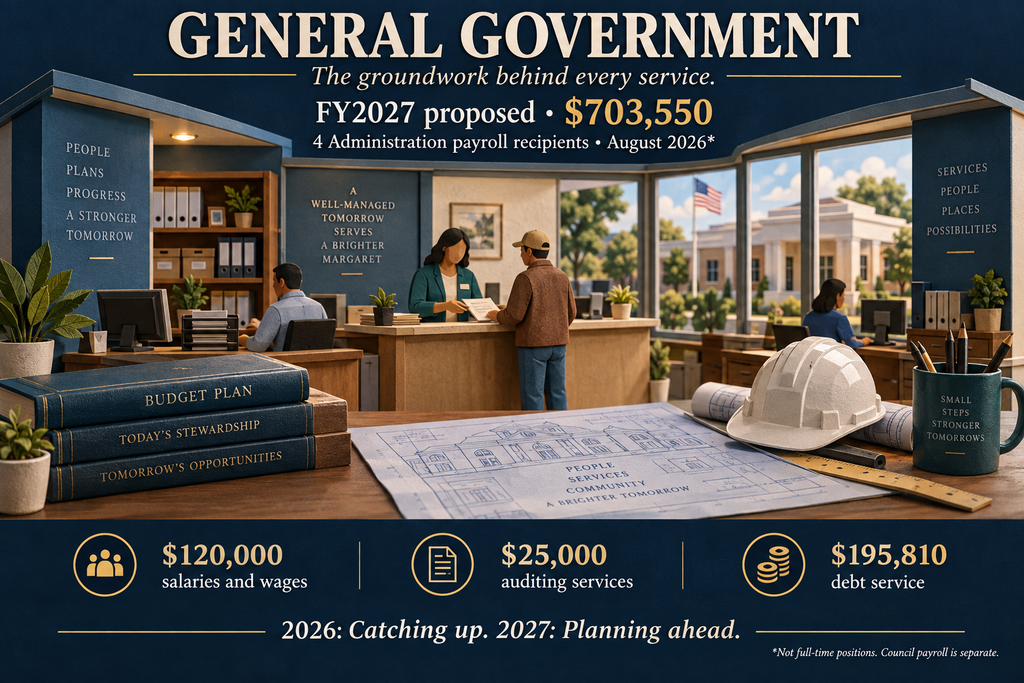
The current FY2027 proposal shows approximately $5,963,000 in revenue and $5,921,050 in expenditures, leaving a projected surplus of $41,950. That is a modest margin. Additional commitments can consume it quickly unless we identify an offset or another appropriate funding source.
Protecting that margin requires discipline. It also requires judgment about where reductions would produce lasting efficiencies and where they would defer costs or weaken essential services.
Margaret can continue improving while protecting its financial strength. Doing so requires realistic budgets, thoughtful capital planning, and consistent follow-through: pursuing outside funding, protecting reserves, maintaining essential services, and explaining the consequences of our decisions.
The budget is where we decide what we can responsibly promise. Our spending decisions throughout the year should demonstrate that we intend to keep those promises.


Leave a Reply